The path back to freedom

How young monkeys become wild animals again

The release into the wild

A gentle return to life in the wild

Reintroduction into the wild is the most important and, at the same time, the most delicate step in the rehabilitation process. Each animal is assessed individually, as its age, behaviour and state of health determine how and when its return to the wild is organised.

The journey to freedom is not a single moment, but a long-term process that requires time, patience and a great deal of experience. Step by step, the animals learn to become independent again, to find their feet in groups and to develop their natural instincts.

At the end of this long process lies the moment towards which everything is working: the animals can return to the wild.
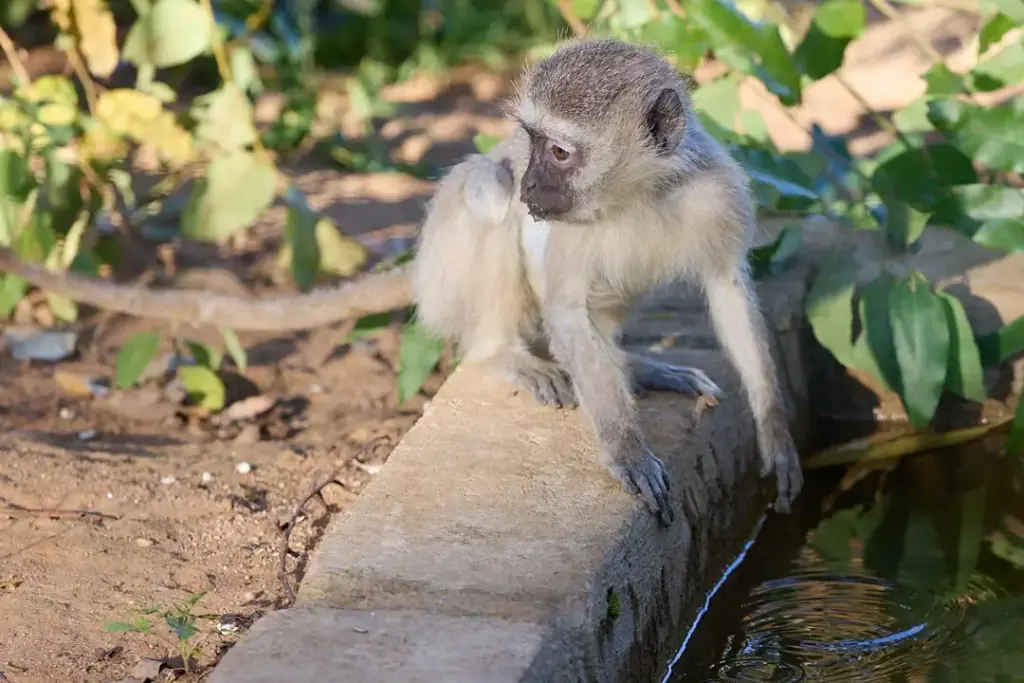
Helping Hands for Wildlife Südafrika Vervet Monkeys Wild Gehege Wasser

Step by step back into the wild

Kindergarten

Helping Hands for Wildlife Südafrika Baby Vervet Monkeys Gruppe

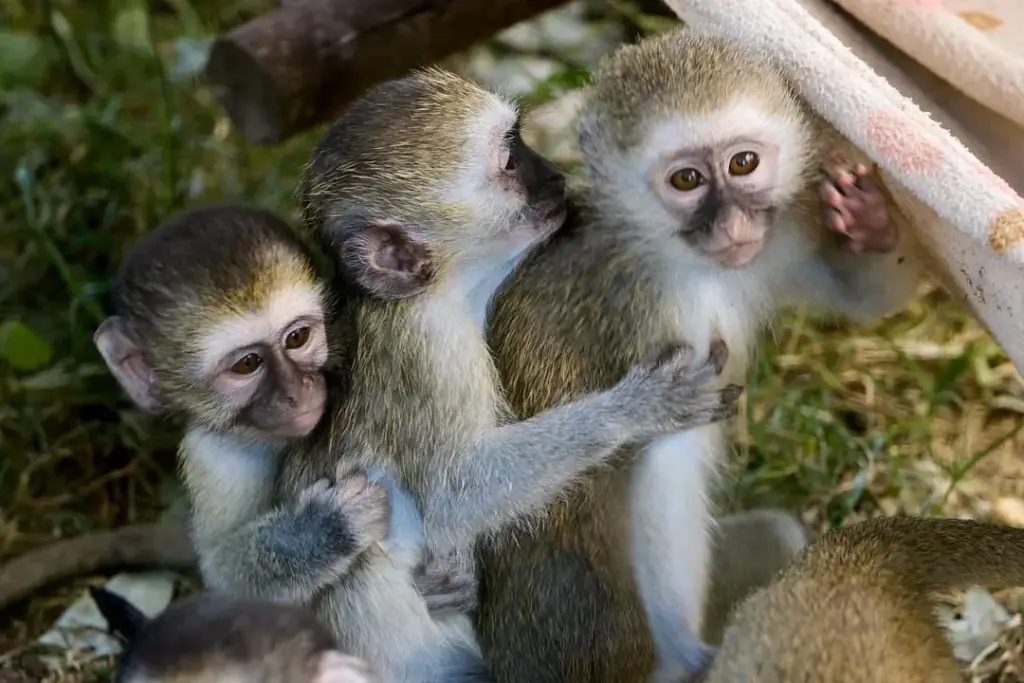
The baby monkeys are initially bottle-fed and still need a great deal of closeness and care during this time. We humans take on the role of a surrogate mother for a certain period.

As soon as the little ones can drink from the bowl on their own, they move to the so-called ‘nursery’ together with their foster mum, Margaux.

There, they learn everything they will need later in the wild – above all, how to live in a group and communicate with one another. Vervet monkeys, for example, have different warning calls for different predators.

Kindergarten

The baby monkeys are initially bottle-fed and still need a great deal of closeness and care during this time. We humans take on the role of a surrogate mother for a certain period.

As soon as the little ones can drink from the bowl on their own, they move to the so-called ‘nursery’ together with their foster mum, Margaux.

There, they learn everything they will need later in the wild – above all, how to live in a group and communicate with one another. Vervet monkeys, for example, have different warning calls for different predators.

Helping Hands for Wildlife Südafrika Baby Vervet Monkeys Gruppe

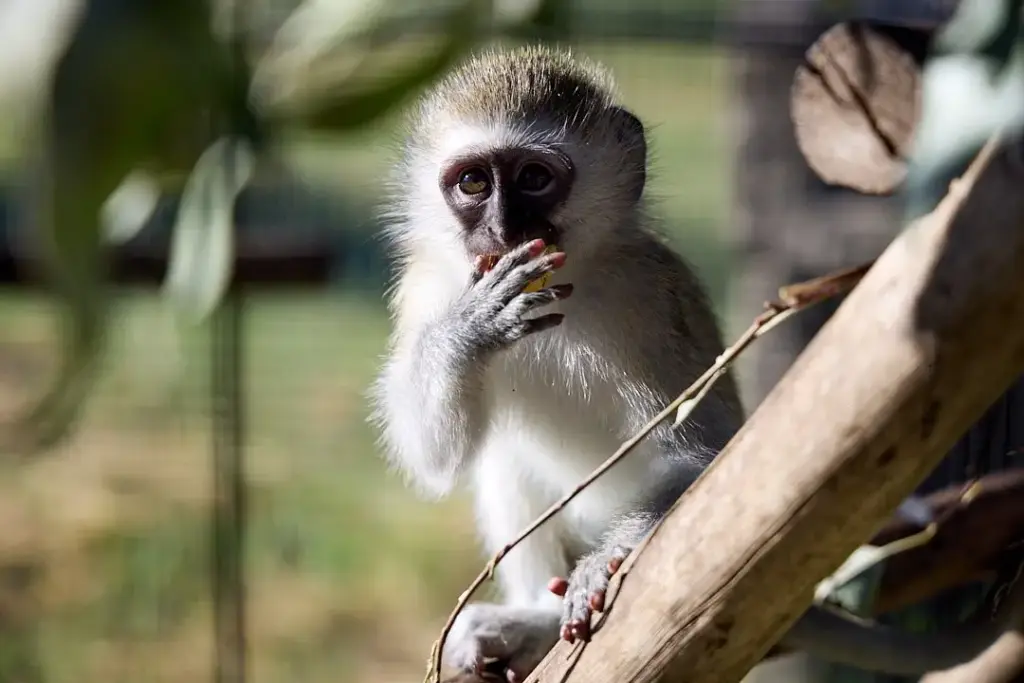
At around 9 to 12 months of age, the animals move to the juvenile enclosure. From this point onwards, contact with humans is significantly reduced. The animals are only fed and their enclosures cleaned. The aim of this phase is to further strengthen the monkeys, make them more independent and encourage their natural instincts.

Juvenile enclosure

Helping Hands for Wildlife Südafrika Vervet Monkeys Juvenile Gehege

Juvenile enclosure

At around 9 to 12 months of age, the animals move to the juvenile enclosure. From this point onwards, contact with humans is significantly reduced. The animals are only fed and their enclosures cleaned. The aim of this phase is to further strengthen the monkeys, make them more independent and encourage their natural instincts.

Helping Hands for Wildlife Südafrika Vervet Monkeys Juvenile Gehege

‘Neverland’ semi-wild enclosure

Helping Hands for Wildlife Südafrika Vervet Monkeys Wild Gehege

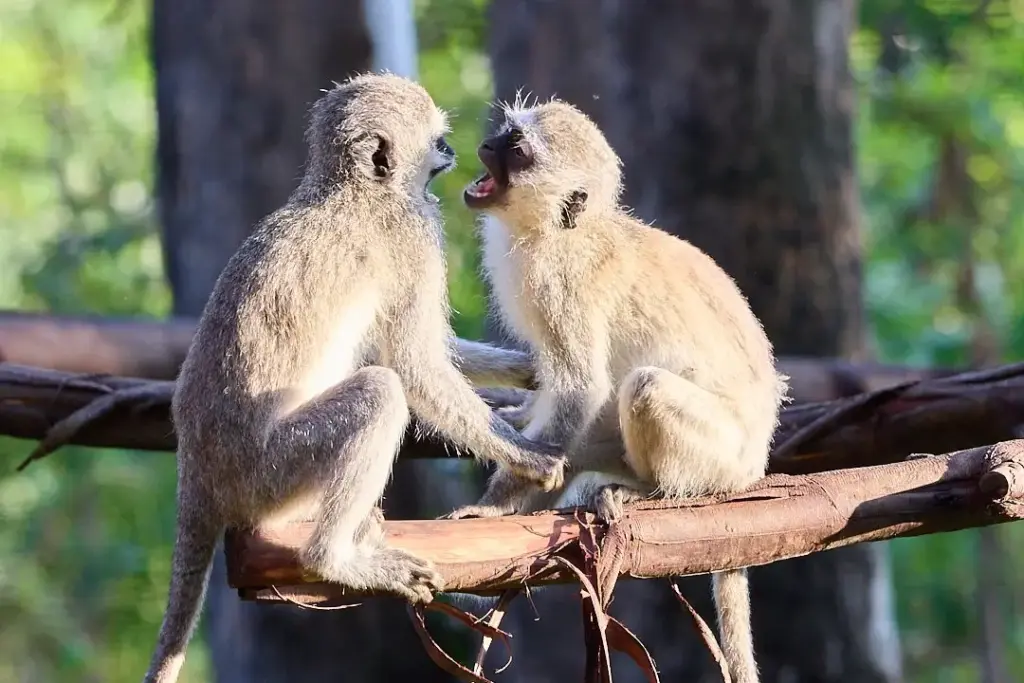
In the next stage, the monkeys move into a much more natural environment. They spend around one to two years here, with even less contact with humans. They are now fed only through the fence. During this phase, the animals learn to organise themselves as a group and gradually get used to life in the wild.

‘Neverland’ semi-wild enclosure

In the next stage, the monkeys move into a much more natural environment. They spend around one to two years here, with even less contact with humans. They are now fed only through the fence. During this phase, the animals learn to organise themselves as a group and gradually get used to life in the wild.

Helping Hands for Wildlife Südafrika Vervet Monkeys Wild Gehege

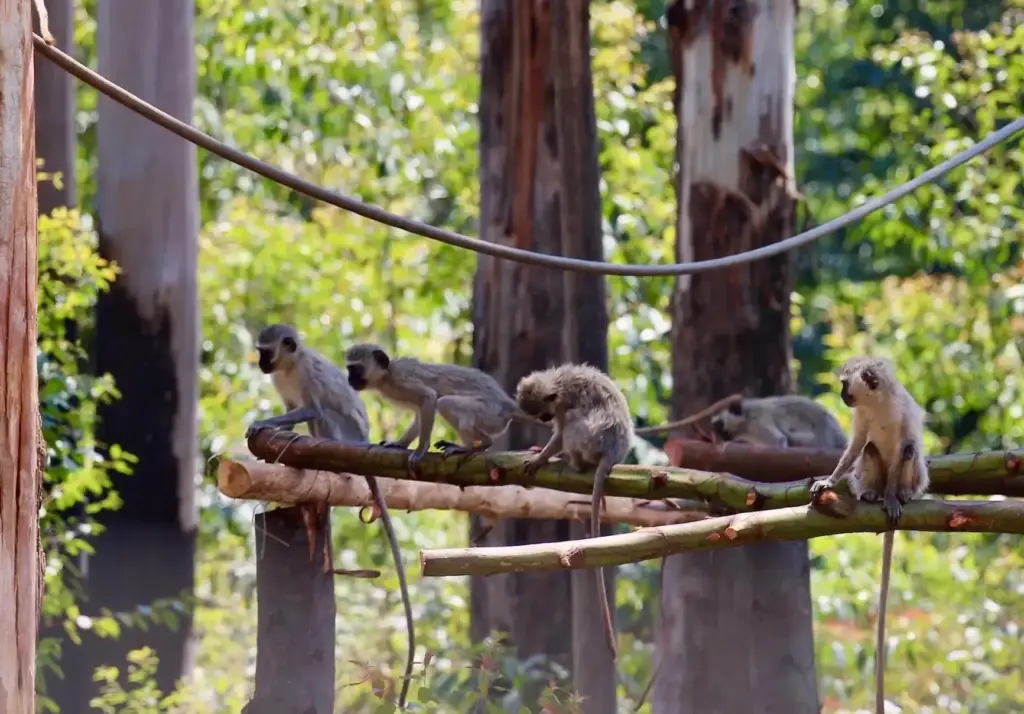
The Wild Camp is the final stage before release into the wild. Here, too, the animals spend another one to two years until a stable and functioning group has formed. Only when the group is strong enough and all the necessary conditions have been met can the next step be taken.

Wild Camp

Helping Hands for Wildlife Südafrika Vervet Monkeys Wild Gehege klettern

Wild Camp

The Wild Camp is the final stage before release into the wild. Here, too, the animals spend another one to two years until a stable and functioning group has formed. Only when the group is strong enough and all the necessary conditions have been met can the next step be taken.

Helping Hands for Wildlife Südafrika Vervet Monkeys Wild Gehege klettern

Release into the wild

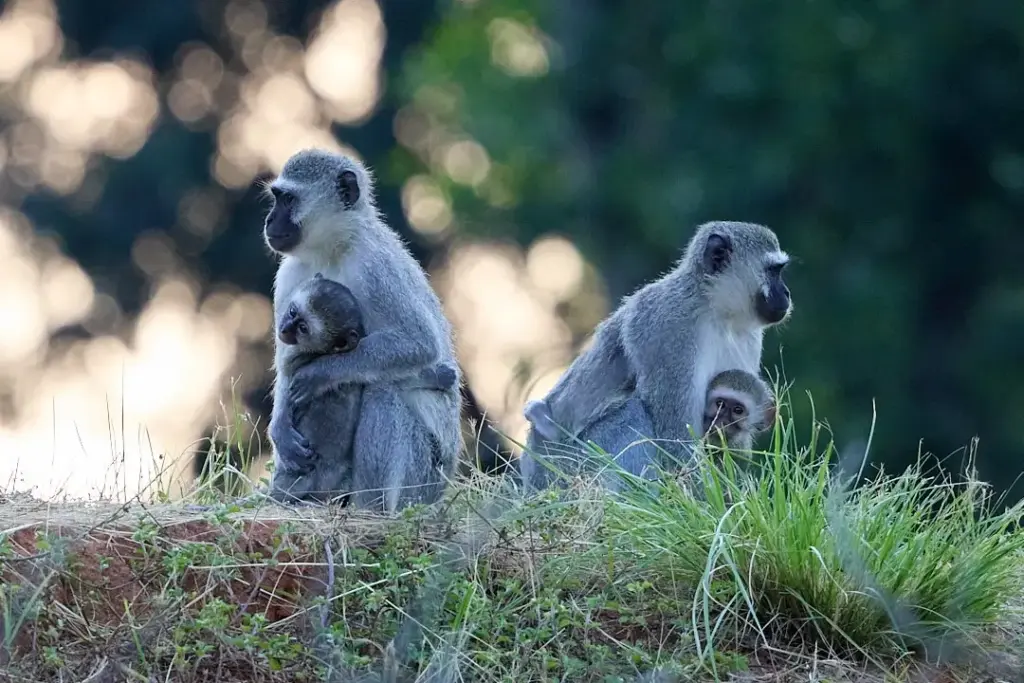
Helping Hands for Wildlife Südafrika Vervet Monkey Mamas mit Babys

Reintroduction into the wild takes place exclusively in protected wildlife reserves, far from civilisation, settlements and farms – without any direct contact with humans. We work closely with the Mpumalanga Tourism and Parks Agency to ensure that every reintroduction is legally authorised, ecologically sound and sustainable.

Our philosophy: Every animal deserves not just survival, but a true life in freedom.

Release into the wild

Reintroduction into the wild takes place exclusively in protected wildlife reserves, far from civilisation, settlements and farms – without any direct contact with humans. We work closely with the Mpumalanga Tourism and Parks Agency to ensure that every reintroduction is legally authorised, ecologically sound and sustainable.

Our philosophy: Every animal deserves not just survival, but a true life in freedom.

Helping Hands for Wildlife Südafrika Vervet Monkey Mamas mit Babys

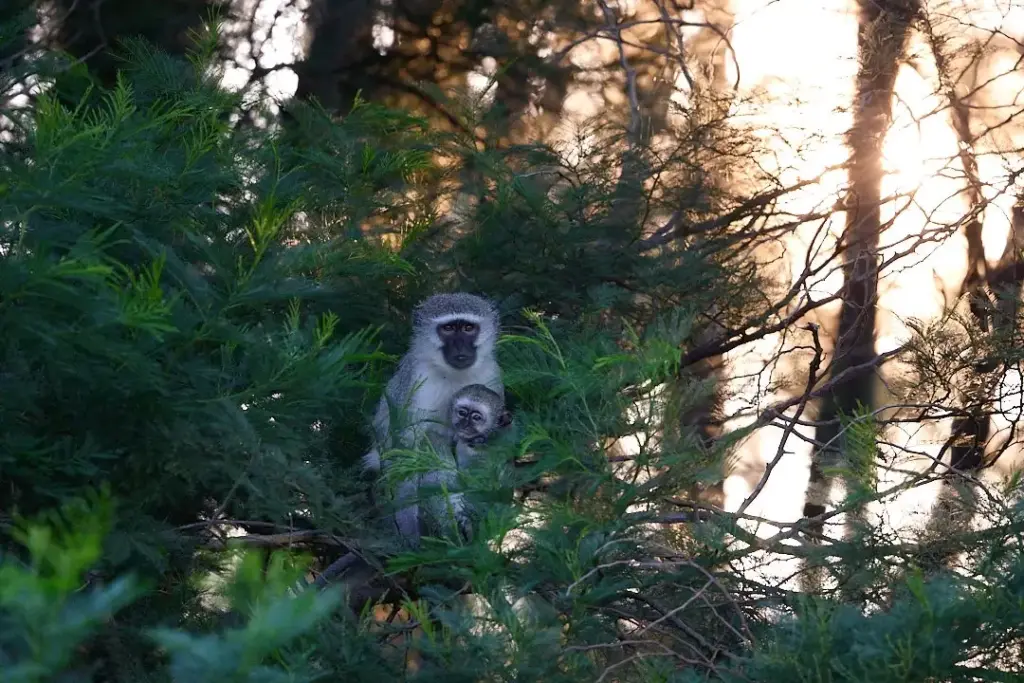
Our work does not end with the release of the animals. We maintain close contact with the reserves and continue to monitor the animals’ progress. In addition, regular on-site visits are carried out to observe the animals’ behaviour, condition and adaptation. This monitoring enables us to respond to changes at an early stage, to realistically assess the success of the rehabilitation and to learn from each release for future rescues.

Post-release monitoring

Helping Hands for Wildlife Südafrika Vervet Monkey Mama mit Baby im Baum

Post-release monitoring

Our work does not end with the release. We maintain close communication with the reserves and continue to track the animals’ progress. In addition, we conduct regular on-site visits to observe the animals’ behavior, condition, and adaptation. This monitoring allows us to respond to changes early on, realistically assess the success of the rehabilitation, and learn from each release to inform future rescues.

Helping Hands for Wildlife Südafrika Vervet Monkey Mama mit Baby im Baum

Finally free

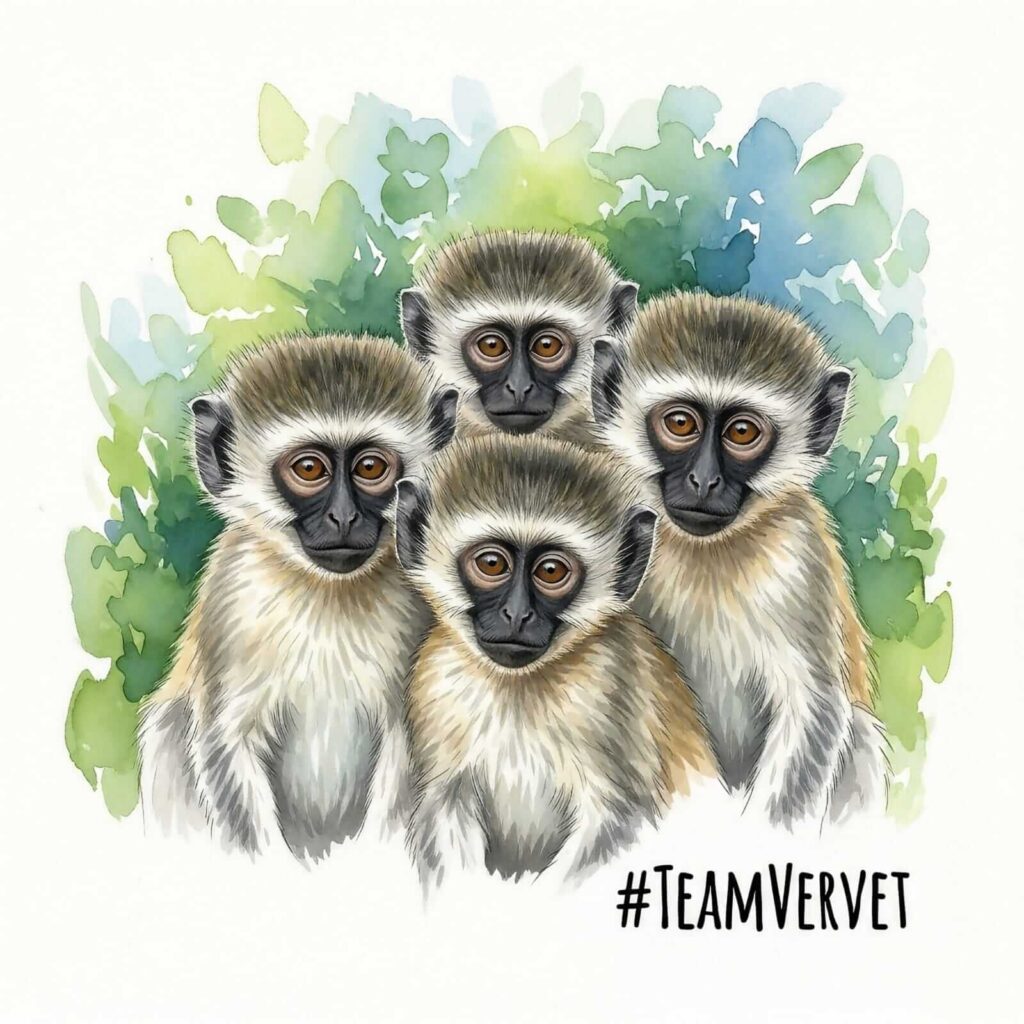
Helping Hands for Wildlife Team Vervet

Join our community

Helping Hands for Wildlife thrives on the support of people who share our vision. #teamvervet brings together people from all over the world who want to take responsibility and make a real difference.

Join us on our journey – together, we’ll give orphaned and injured animals a second chance.